
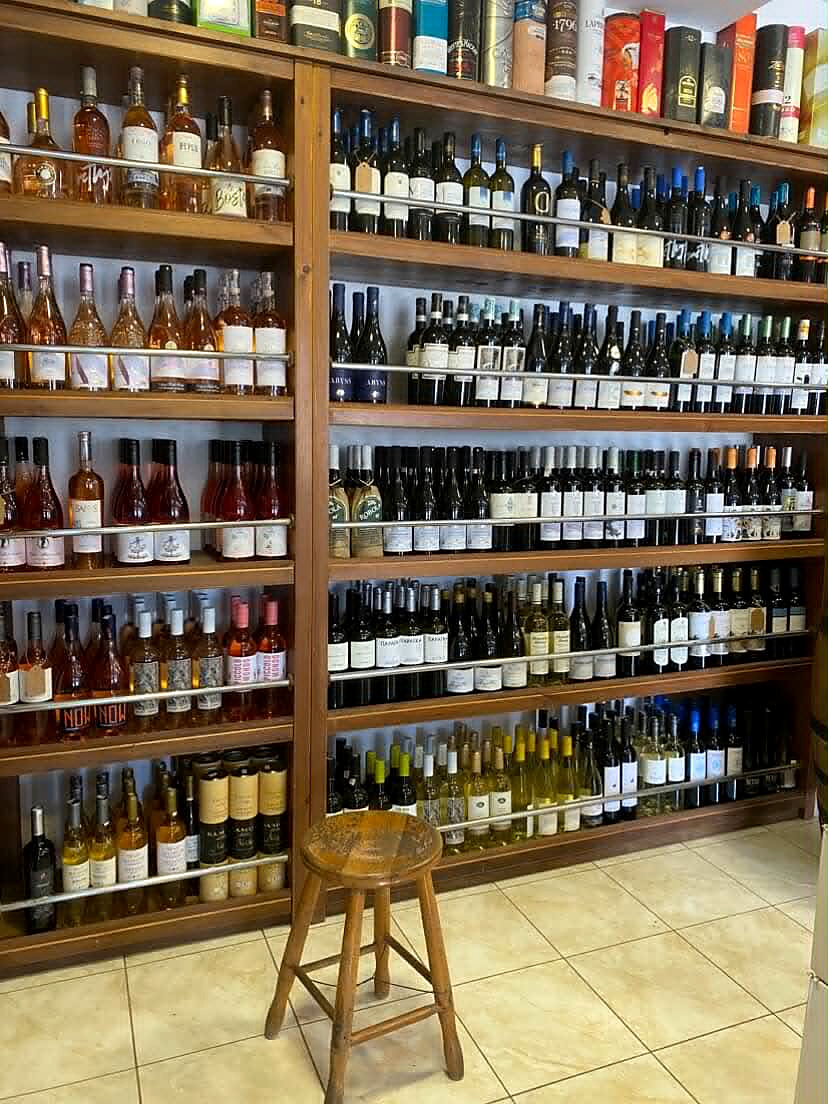
A quick map of Greek wine
Greek wine runs on indigenous grapes that most of the world is only beginning to discover. In the north you'll find Xinomavro, the noble red of Naoussa and Amyndeon, often compared to Nebbiolo for its structure and long life. In central Greece and the Peloponnese, Agiorgitiko gives the softer, plummy reds of Nemea. On the islands, Assyrtiko from Santorini and Malagouzia from Macedonia produce whites with a bracing, mineral edge.
Alongside these you'll see international varieties — Cabernet, Syrah, Sauvignon Blanc — grown by Greek estates that have earned a strong international reputation over the last twenty years.
Reds we stand behind
For serious drinking we point people to Alpha Estate's single-vineyard Xinomavro and Pinot Noir, Ramnista from Kir-Yianni, Nemea from Lantidis, and Avaton from Gerovassiliou — a rare 100% Limnio worth trying if you've never had it. For lighter Sunday-lunch reds, Blue Fox and the Chryssambelo bottles do the job beautifully.
Whites and rosés worth a detour
Malagouzia from Gerovassiliou and Assyrtiko from Ktima Avantis are the two whites we sell more of than anything else — both dry, both immediately food-friendly. For rosé, Amethystos from Lazaridi and Peplo from Skouras are the pours we open on hot Argostoli afternoons.
If you're staying on Kefalonia, don't leave without trying our island Robola — we've written a dedicated page about it.
Pairings and prices
Greek food loves Greek wine — the acidity in Assyrtiko cuts through fried calamari, Xinomavro holds its own against slow-cooked lamb, and a chilled rosé makes any grilled fish sing. Prices span from very reasonable everyday bottles to serious cellar picks. Tell us the meal and the budget and we'll narrow it down at the counter.